
RELATIONAL CARE MINISTRY
Embodying the Love of Christ Through Presence, Relationship, and Compassionate Care
THE MINISTRY OF PRESENCE
At the heart of Christian care is the ministry of presence.
Throughout Scripture, God reveals Himself as One who draws near to His people in times of suffering, uncertainty, grief, and need. Jesus consistently demonstrated this ministry through His willingness to be with people: listening, asking questions, offering compassion, speaking truth, and extending dignity to those who felt unseen or forgotten.
The church is called to continue this work today.
"Bear one another's burdens, and so fulfill the law of Christ."
Galatians 6:2
"Rejoice with those who rejoice; weep with those who weep."
Romans 12:15
The goal of Relational Care Ministry is not simply to provide programs.
It is to cultivate a church culture where people know how to be present with one another.
WHY THIS MINISTRY?
A Growing Need in the Modern Church
We live in a time when people are more connected digitally than ever before, yet increasingly disconnected relationally.
Many churches are facing growing challenges:
Loneliness and isolation
Declining community involvement
Mental health struggles
Anxiety and depression
A growing desire for authentic connection
At the same time, pastors and church leaders are carrying increasing care responsibilities as they seek to support the spiritual, emotional, and practical needs of their congregations.
These are not merely cultural concerns. They are discipleship concerns.
Scripture describes the church as a body where "if one member suffers, all suffer together with it" (1 Corinthians 12:26). Yet many people today carry their burdens alone.
We Want to Love Well.
We Just Haven't Been Taught How.
Most Christians genuinely want to care for people.
Yet when someone is grieving, struggling, overwhelmed, or hurting, many of us discover we aren't quite sure what to do.
We offer advice.
We try to solve problems.
We promise to pray.
Often, we simply don't know how to remain present.
Not because we don't care.
Because we haven't been taught.
We've been taught theology, Bible study, evangelism, and leadership. But few of us have been taught how to:
Listen deeply
Sit with grief
Offer empathy without trying to fix
Help others feel seen and understood
Carry burdens with one another
These are not merely counseling skills. They are discipleship skills.

Jesus Modeled a Different Way
When Jesus encountered suffering, He rarely rushed to solutions.
He listened.
He asked questions.
He entered into people's stories.
He wept with those who grieved.
Before He raised Lazarus, He wept.
Before He explained the Scriptures to the disciples on the road to Emmaus, He walked alongside them and listened to their grief and confusion.
Before He revealed Himself as the Messiah to the woman at the well, He entered into conversation and took interest in her story.
Again and again, Jesus demonstrates that love is not merely giving answers.
Love is being willing to enter another person's experience.
To listen.
To remain.
To be present.
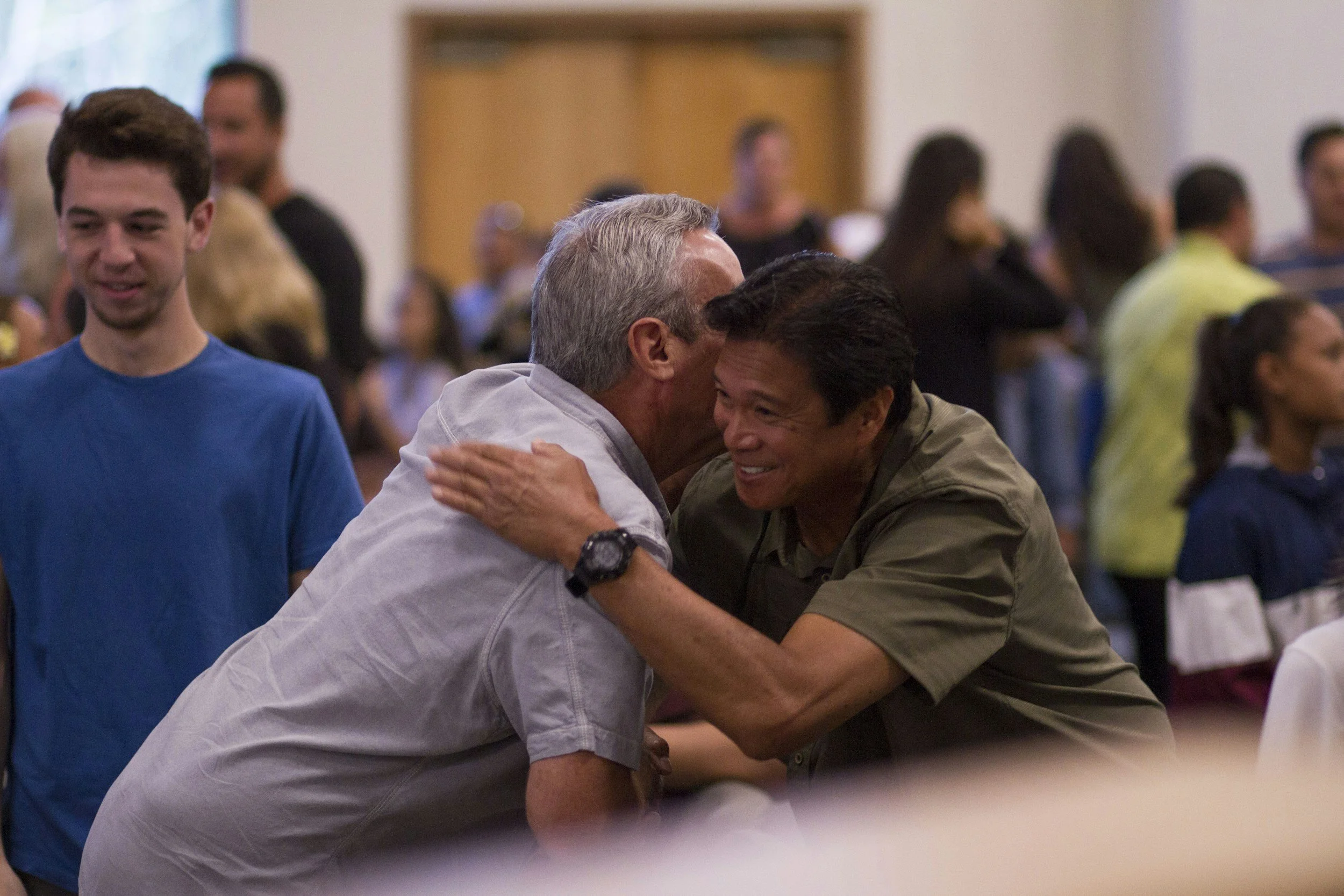
A Vision for the Church
What would it look like for care to become part of the culture of a church rather than the responsibility of a few individuals?
A church where no one suffers alone.
A church where people know how to listen, encourage, pray, support, and walk alongside one another through every season of life.
A church where the love of Christ is experienced not only through sermons and programs, but through the faithful presence of His people.
Jesus said: “By this everyone will know that you are my disciples, if you love one another." (John 13:35)
When a church learns how to love well, people feel seen, known, valued, and supported. Small groups become communities. Friendships deepen. Families are strengthened. People facing grief, illness, loss, and hardship discover they do not have to walk through those seasons alone.
And as people experience this kind of care, the church becomes a living demonstration of the Gospel. In a culture marked by loneliness, isolation, and disconnection, a community that knows how to listen, support, encourage, and carry burdens together becomes a powerful witness to the love of Christ.
People are drawn not only to what the church believes, but to the way it loves.
THE MINISTRY
The ministry is built around four primary areas of care and formation.
-
Relational Discipleship Training is the foundation of the ministry. It equips people with practical skills and Christlike capacities that strengthen relationships, deepen community, and prepare individuals to care for others with wisdom and compassion.
Participants learn skills such as deep listening, empathy, emotional awareness, healthy boundaries, conflict navigation, caring conversations, and supporting people through difficult seasons of life. These trainings are available to care ministry volunteers, small group leaders, elders, deacons, ministry leaders, and anyone in the congregation who desires to grow in their ability to love others well.
These are not merely relational skills. They are discipleship skills that help believers embody the love of Christ in their families, friendships, ministries, and communities.
-
One of the simplest and most meaningful ways the church can care for people is through presence.
The Visitation Ministry provides encouragement, prayer, listening, and relational support for individuals who are hospitalized, homebound, living in care facilities, recovering from surgery, grieving a loss, or navigating illness and crisis. Through faithful presence, volunteers help ensure that no one walks through difficult seasons alone.
-
Many life challenges do not require professional counseling, but they do require support, encouragement, and someone willing to listen.
Peer Care connects individuals with trained volunteers who provide one-to-one support through listening, prayer, encouragement, emotional support, and spiritual companionship. Peer caregivers are not counselors or therapists. They are trained members of the church who walk alongside others with compassion, helping people feel seen, supported, and connected during difficult seasons of life.
-
Support groups create spaces where people facing similar challenges can find understanding, encouragement, and hope within Christian community.
Whether someone is navigating grief, divorce, addiction recovery, caregiving responsibilities, chronic illness, parenting challenges, or a significant life transition, support groups offer a place to share openly and receive care from others who understand. Facilitated by trained leaders, these groups remind participants that they are not alone and that healing often happens in the context of supportive relationships.

Additional Expressions of Care
While relational support and discipleship form the foundation of this vision, churches may choose to extend care through additional ministries that address practical, emotional, and crisis-related needs.
Depending on the needs of the congregation, these ministries may include:
Prayer Ministry
Meals and Practical Support
Benevolence Ministry
Crisis Response Team
Caregiver Support
Conflict Mediation and Reconciliation

Bring Relational Care Ministry to Your Church
My name is Mat Weddle, and for many years I have worked as a ministry leader, coach, facilitator, and trainer, helping individuals and communities develop deeper connection, stronger relationships, and greater capacity to support one another.
I am passionate about helping churches cultivate cultures of care and connection where people are equipped to love well and experience the love of Christ through one another.
Whether you are interested in launching a care ministry, strengthening an existing ministry, training volunteers, or equipping your leadership team, I would be happy to discuss how these ideas might serve your church.
To learn more or start a conversation, please reach out. I'd love to hear about your church, your community, and the ways God may be inviting you to cultivate a deeper culture of care.